As more UK homeowners switch to air source heat pumps, many are now exploring solar panels for homes with heat pumps as a way to reduce running costs and improve energy efficiency. When designed correctly, solar panels and heat pumps work extremely well together. However, there are some important considerations to understand before installing solar on a fully electric home.
This guide explains how solar panels support heat pumps, the role of battery storage, how to size a system correctly, and the common mistakes to avoid.
Why solar panels work well with heat pump
Heat pumps are highly efficient systems, but they rely entirely on electricity to operate. This means their running costs are closely linked to electricity prices, particularly during colder months when heating demand increases.
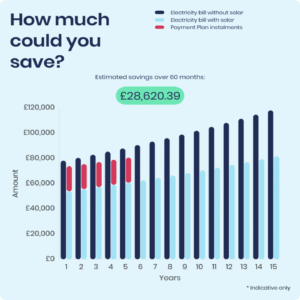
Solar panels help offset this by generating electricity on site, reducing the amount of power imported from the grid. For homes with heat pumps, this can significantly reduce energy costs over the year, especially when solar is combined with battery storage and the right electricity tariff.
Homes that generate and manage their own electricity are also better protected against future energy price rises.
Can solar panels power a heat pump?
Solar panels can contribute towards powering a heat pump, but timing is important.
Most solar generation occurs during the middle of the day, while heat pumps often work hardest in the early morning and evening, particularly in winter. Because of this, solar panels alone are unlikely to directly power a heat pump during peak heating periods.
This is why solar panels for homes with heat pumps work best as part of a wider system that includes battery storage and smart energy management.
The role of battery storage in homes with heat pumps
Battery storage plays a key role in maximising the benefit of solar panels in heat pump homes.
A battery allows excess solar energy generated during the day to be stored and used later, reducing reliance on grid electricity during peak rate periods. Batteries can also be charged from the grid overnight using off peak tariffs and then used to support heating and hot water demand during the day.
For homes with heat pumps, battery storage is often just as important as the solar panels themselves.
Choosing the right solar system size for a heat pump home
Homes with heat pumps typically use more electricity than homes heated by gas, so system sizing is especially important.
While every property is different, many homes with heat pumps benefit from solar systems in the range of 6kWp to 10kWp, depending on roof space, orientation, shading and household energy use. Installing too small a system can limit savings, while installing the right size from the outset helps future proof the property.
A professional assessment should always consider roof constraints, planning considerations and future energy demand before deciding on system size.
Smart tariffs and load shifting for heat pump homes
One of the biggest advantages for homes with heat pumps is access to smart electricity tariffs.
Many modern battery systems support force charging from the grid during off peak periods. This allows homeowners to charge their battery at lower rates overnight and use that stored energy to support heating and hot water demand during the day.
Solar panels, battery storage and time of use tariffs together create a far more efficient and cost effective energy system than solar alone.
Common mistakes when installing solar panels with heat pumps
There are several common pitfalls homeowners should be aware of.
Installing solar panels without considering battery storage can significantly reduce potential savings. Undersizing the solar system can limit long term benefits, while choosing non standard or poorly supported equipment can create issues with warranties and future compliance.
Solar should not be treated as a standalone upgrade in a heat pump home. The system needs to be designed around how the property uses energy as a whole.
MCS compliance and future incentives for heat pump homes
For homes with heat pumps, MCS compliance is particularly important.
MCS certified solar and battery installations are typically required for export tariffs and any future government support schemes. Installing a system that meets recognised industry standards helps ensure eligibility for incentives and protects long term warranties.
Choosing an MCS certified installer also ensures the system is designed, installed and commissioned correctly.
Are solar panels worth it for homes with heat pumps?
For most fully electric homes, solar panels are one of the most effective ways to reduce long term running costs and improve energy independence.
While solar panels will not eliminate electricity bills entirely, a well designed system with battery storage can make a significant difference, particularly when combined with smart tariffs and efficient energy use.
Final thoughts
Solar panels and heat pumps are not competing technologies. When designed together, they form a powerful combination that can reduce energy costs, lower carbon emissions and future proof your home.
If you have a heat pump and are considering solar panels, the best next step is a professional assessment to understand what system size, battery capacity and setup will work best for your property.