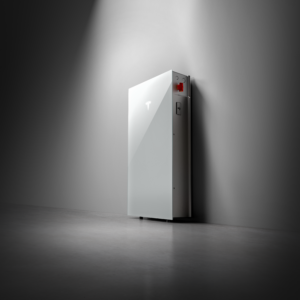
If you have an older solar panel system on the Feed in Tariff (FiT), you may be wondering whether adding a battery for feed in tariff solar is actually worth it. With electricity prices rising and smart tariffs becoming more common, battery storage is now one of the most popular upgrades for homeowners with existing PV systems.
But is it always a good investment, and when does a battery on a FiT system actually make sense?
In this guide, we explain when adding a battery to a feed in tariff solar system is worth it, when it is not, and the key factors that determine whether you will see real savings.
Does a Battery Affect Your Feed in Tariff Payments?
One of the biggest concerns homeowners have is whether adding a battery will affect their Feed in Tariff income.
The good news is, in most cases, adding a battery does not affect your FiT payments.
The Feed in Tariff has two parts:
- Generation tariff – paid for every unit your solar panels generate
- Export tariff – either deemed or metered
Your generation payment is based on the reading from your generation meter and is not affected by a battery. Your panels will still be paid for every unit they generate.
Most older FiT systems use deemed export, which assumes you export a set percentage of your generation. In these cases, storing solar in a battery does not reduce your export income.
This is why adding a battery to a feed in tariff solar system is often financially attractive.
If you are unsure whether your export is deemed or metered, you can usually find this information on your FiT statements or by contacting your FiT licensee.
How a Battery for Feed in Tariff Solar Actually Saves You Money
There are two main ways a battery storage system reduces your electricity costs.
1. Storing Excess Solar Instead of Exporting It Without a battery:
- – Your solar panels generate electricity during the day
- – Any unused power is exported to the grid
- – In the evening, you buy electricity back at full price
With a battery:
- Excess solar is stored during the day
- You use it in the evening and at night
- You reduce the amount of electricity you buy from the grid
This is especially effective for homes that:
- Are out during the day
- Have a larger solar system
- Export a noticeable amount of electricity
- For many FiT customers, this is one of the biggest benefits of battery storage.
2. Using Cheap Night Electricity Instead of Expensive Day Electricity
Many households are now on day and night tariffs or smart tariffs with cheaper overnight rates.
For example:
– Day rate: 28p per kWh
– Night rate: 12p per kWh
The difference between these is called the spread.
A battery allows you to:
– Charge cheaply overnight
– Use that stored energy during the day when electricity is expensive
The bigger the spread between day and night rates, the more financially worthwhile a battery becomes.
Why the Day and Night Rate Spread Is So Important
When considering a battery for feed in tariff solar, the difference between your daytime and overnight electricity rates is one of the most important factors in whether a battery will be financially worthwhile.
This difference is often referred to as the spread.
For example:
- Day rate: 28p per kWh
- Night rate: 12p per kWh
- Spread: 16p per kWh
The larger this spread is, the more money a battery can save by charging when electricity is cheap and discharging when electricity is expensive.
As a general guide:
- Small spread (5 to 8p) – battery savings are limited
- Medium spread (9 to 12p) – battery may be worthwhile
- Large spread (13 to 18p or more) – battery becomes very attractive
If your daytime electricity is expensive and your night rate is cheap, a battery can save you money even in winter when solar generation is lower.
Flexible and Smart Tariffs – Why They Can Be Even Better
In addition to traditional day and night tariffs, many energy suppliers now offer flexible or smart tariffs that change price throughout the day based on wholesale market conditions.
These tariffs use half-hourly readings and can offer:
- Very cheap electricity overnight
- Low prices during periods of high renewable generation, such as midday when wind or solar is strong
- Higher prices during peak demand periods in the evening
In some cases, electricity can drop to 10p per kWh or less for certain periods of the day.
A battery allows you to:
- Automatically charge when prices are low
- Store that energy
- Use it later when prices rise
For homeowners with feed in tariff solar, combining battery storage with a flexible tariff can significantly improve savings and make the battery work harder throughout the year.
You can read more about flexible tariffs from Octopus Energy here:
Octopus smart tariffs | Octopus Energy
And about half-hourly pricing on the Ofgem website here:
https://www.ofgem.gov.uk/information-consumers/energy-advice-households
Working From Home vs Out All Day – Why It Matters
Your lifestyle has a big impact on whether a battery is worth it.
If You Are Out During the Day
– You are likely exporting a lot of solar
– A battery can capture this excess and use it later
– Strong case for battery storage
If You Work From Home or Are Retired
– You probably already use a lot of your solar live
– There may be less excess to store
– The battery will rely more on night rate charging
– This does not mean a battery is not worthwhile, but it changes where the value comes from.
When a Battery for Feed in Tariff Solar Is Usually Worth It
Adding a battery to an older FiT solar system is often worthwhile if:
- You have a 4 kWp system or larger
- You are on a day and night tariff with a good spread
- You export a noticeable amount of solar
- You have higher evening electricity use
- You want to reduce reliance on the grid
These homes tend to see the strongest improvement in self-consumption and the best financial return.
When a Battery May Not Be Worth It
A battery may be harder to justify if:
- Your solar system is very small
- You already use nearly all your solar live
- Your tariff has little difference between day and night rates
- Your overall electricity usage is very low
- You are expecting a very fast payback
In these cases, the financial benefit can be limited.
Can You Add a Battery to an Older Solar System?
Yes. Most older systems use AC-coupled batteries.
This means:
- Your existing inverter stays in place
- The battery is added on the AC side
- Your Feed in Tariff arrangement remains unchanged
This is the standard method for adding battery storage to older solar PV systems.
If you would like to learn more about AC-coupled battery systems, you can read this overview from the Energy Saving Trust: https://energysavingtrust.org.uk/advice/solar-panel-battery-storage/
Backup Power During a Power Cut – An Added Benefit of Battery Storage
In addition to reducing electricity bills, many homeowners choose a battery for feed in tariff solar because of the added security it can provide during power cuts.
With the right system design, a battery can be configured to supply essential circuits in your home if there is a grid outage. This can include:
- Lighting
- Sockets
- Broadband and WiFi
- Refrigeration
- Medical equipment
- Heating controls
Instead of losing power completely, your home can continue to run from the battery until the grid supply is restored.
This is particularly valuable for:
- Rural properties
- Homes with overhead power lines
- Households where power reliability is important
Not all battery systems offer backup capability as standard, and some require additional equipment or specific configuration. This is something that should always be discussed at the design stage.
You can read more about power cuts and resilience on the National Grid website here:
https://www.nationalgrid.com/electricity-transmission/network-and-infrastructure
A More Realistic Way to Look at Battery Storage
Rather than asking:
Will a battery make me money?
A better question is:
Will a battery significantly reduce my electricity bills and improve how I use my solar?
For many homeowners with feed in tariff solar, the answer is yes, especially with today’s energy prices and tariff structures.
Our Honest Advice
Every home is different. The only way to know whether a battery for feed in tariff solar is worth it is to look at:
- Your recent electricity bills
- Your day and night usage
- Your solar generation
- And how you use energy throughout the day
That is exactly how we assess whether battery storage is right for you.
If you have an older solar PV system on the Feed in Tariff and are considering adding a battery, we are always happy to provide honest, straightforward advice.
Thinking about adding a battery to your feed in tariff solar system?
Get in touch with our team for a no-pressure assessment and find out whether battery storage is right for your home.